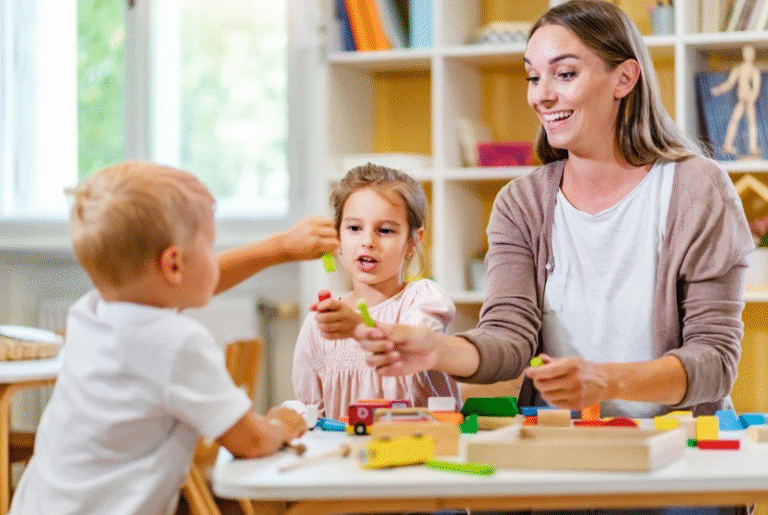
Healing With Play: Professional Therapy for Kids
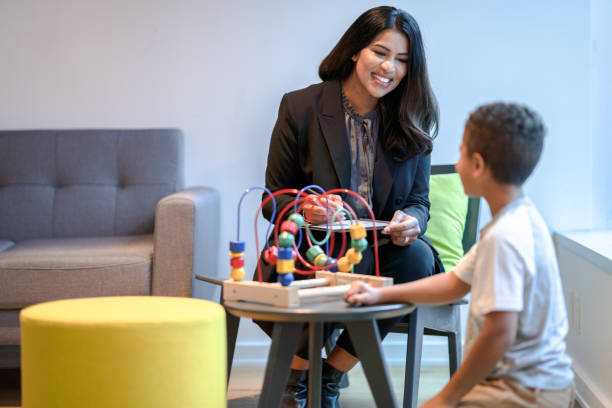
Children often communicate in ways that go beyond words. Their emotions, experiences, and challenges frequently appear through behaviors, gestures, imagination, and creativity. Modern therapeutic approaches recognize this deeply expressive world, which is why play based therapeutic models have become an essential part of childhood mental health support. At Tree of Life, the focus is on helping children feel safe, understood, and empowered through approaches designed specifically for their developmental stage.
The foundation of this approach lies in play therapy for kids, a method that allows children to express feelings, solve problems, and work through emotional experiences in a gentle and natural way.
What Is Play Therapy and Why It Works So Well
Play is a child’s language. Toys and creative activities become their words. Instead of expecting young children to articulate complex emotional struggles, play therapy provides a developmentally appropriate environment where they can process challenges safely and freely.
This approach is especially impactful for kids who struggle with anxiety, behavioral concerns, emotional regulation, trauma, or social difficulties. Through imaginative interaction with toys, art materials, games, and stories, children begin revealing inner thoughts that they may not yet have the vocabulary to express.
How Kids Benefit Emotionally
When guided by a trained therapist, play becomes more than entertainment. It creates a pathway toward emotional awareness and healing. Children are encouraged to experiment with ideas, imagine solutions, and explore emotions through symbolic expression.
How Play Encourages Problem Solving
In a supportive setting, children can reenact scenarios, test boundaries, and safely experience both control and vulnerability. This guided exploration strengthens problem solving abilities and supports healthy coping skills.
The Therapeutic Approach at Tree of Life
At Tree of Life, therapists use structured and evidence based play therapy approaches to meet children where they are emotionally and developmentally. The environment is warm, calming, and intentionally designed to promote creativity and emotional safety.
Parents often notice that as their children progress through sessions, they begin developing stronger emotional vocabulary, improved communication, and healthier behavioral patterns. The goal is to support both the child and the family as a whole.
For families searching for helpful resources, you can learn more about play therapy for kids by visiting the specialized page at treeoflifecoun.com/services/child-play-therapy.
See also: Top Reverse Mortgage Lenders in Australia: What You Should Know
Key Benefits of Professional Play Therapy

A professional therapist carefully observes themes, behaviors, and expressions that arise during play. These observations help identify emotional roots behind behavioral struggles. Over time, the therapeutic process encourages emotional growth and resilience.
Play Therapy Helps Children
Play therapy can support children experiencing a wide range of challenges. A few of the most common benefits include:
- Improved emotional regulation and self awareness
- Increased confidence in social settings
- Reduced anxiety and fear based responses
- Enhanced communication and problem solving skills
- Healthier expression of anger, sadness, or frustration
This is also a powerful approach for families who may be seeking culturally supportive environments, including those who value services similar in spirit to those offered in a hispanic counseling center. Cultural understanding helps strengthen emotional connection and trust throughout the therapeutic process.
How Play Therapy for Kids Builds Confidence
Confidence plays a major role in childhood development. Many children internalize stress or confusion, especially when they cannot fully express what they feel. Through guided play, children can safely explore their emotions and accomplishments.
Building Trust with the Therapist
A positive therapeutic relationship is essential. Therapists use warmth, predictability, and empathy to help children feel comfortable. As trust grows, children feel more open to exploring sensitive topics or emotions.
Supporting Social and Behavioral Growth
Children often reenact real life situations during play. This gives therapists valuable insight into their social interactions, fears, or frustrations. With professional guidance, children can practice healthier responses and build confidence in real world interactions.
Techniques Used During Play Therapy Sessions
Professional play therapists use a combination of child centered and structured techniques, depending on the child’s age, comfort level, and emotional needs.
Directive Techniques
These more guided methods may include therapeutic storytelling, structured games, or problem solving activities that help the child navigate specific emotions or situations.
Child Led Techniques
In a child centered approach, the child chooses the activities, toys, and direction of the session. This method allows children to express themselves freely and develop emotional insights at their own pace.
Why Parents Choose Play Therapy for Kids
Parents often seek this form of therapy when they notice significant emotional, behavioral, or social changes in their child. Play therapy is ideal for children experiencing difficulty adjusting to new environments, coping with family transitions, or managing overwhelming emotions.
It also benefits children who may feel more comfortable using creativity and imagination rather than traditional talk therapy. Families looking for supportive services that offer cultural sensitivity similar to a hispanic counseling center often appreciate the inclusive and nurturing atmosphere provided through this therapy.
The Middle Stage of Therapy: Observable Changes
As therapy continues, parents often begin seeing positive changes at home and school. These improvements typically include:
- Better emotional expression
- Smoother transitions during daily routines
- Increased cooperation
- More confidence in communicating needs
During this stage, the involvement of professionals at Tree of Life ensures that children receive consistent support tailored to their unique emotional world.
Family Involvement and Collaboration
Play therapy is most effective when families participate in the healing process. Therapists may meet with parents regularly to discuss progress, provide insights, and offer guidance for reinforcing positive strategies at home.
Strengthening Emotional Bonds
Children thrive when they feel heard, understood, and supported by caregivers. Play therapy strengthens the emotional connection between parent and child by helping families communicate more effectively.
Creating a Safe and Inclusive Environment
Families who appreciate culturally respectful services, such as those available in a hispanic counseling center, often value the warm and inclusive approach taken in play based therapy settings. Emotional safety is essential for healing, and culturally sensitive environments help children feel more understood and accepted.
How to Know if Play Therapy for Kids Is Right for Your Child
If a child is expressing emotional withdrawal, sudden behavior changes, difficulty adjusting to transitions, or heightened anxiety, play therapy may be extremely beneficial. The method is flexible and adaptable for a wide range of emotional needs.
Parents should consider reaching out to a professional if they observe ongoing emotional struggles that do not improve with time. With the right therapeutic support, children learn to express themselves and build healthy coping abilities that last into adolescence and beyond.
Conclusion
Play is one of the most powerful tools in childhood development. With the guidance of a trained therapist, it becomes a pathway for emotional healing, problem solving, and self discovery. Tree of Life continues to provide supportive environments where children can grow stronger emotionally and develop lifelong resilience. For families seeking supportive approaches, exploring play therapy for kids can be the first meaningful step toward helping a child heal, thrive, and communicate more freely.
FAQs
1. What age group benefits most from play therapy
Play therapy is most effective for children ages 3 to 12, although older children may also benefit depending on their comfort level with creative expression.
2. How long does play therapy take
Every child progresses at their own pace. Some may show noticeable changes within a few weeks, while others benefit from longer term sessions.
3. Can parents participate in play therapy
Yes. Parent involvement is encouraged. Therapists often guide parents on how to support emotional development at home.
4. Is play therapy similar to traditional talk therapy
Play therapy is developmentally appropriate for children who may not yet express emotions verbally. It uses play instead of conversation as the primary communication method.