Does a Long Sleeve Rashie Provide Sun Protection?
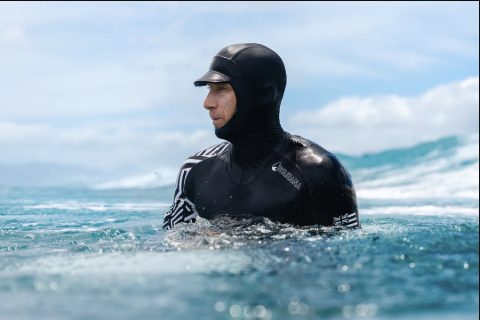
Spending time in and around the water means increased exposure to the sun. UV rays are stronger near the ocean due to reflection from water and sand, which makes proper sun protection essential during swimming, snorkelling, surfing, or paddleboarding. Many people choose long sleeve rashies as part of their sun-safe gear, but how effective are they at protecting your skin?
This blog explains how long sleeve rashies provide sun protection, how they compare to sunscreen, and what to look for when choosing one.
What Is a Long Sleeve Rashie?
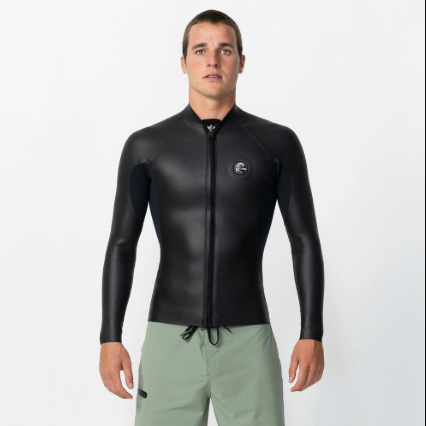
A long sleeve rashie, also known as a rash guard, is a lightweight, close-fitting top designed for water activities. It is typically made from a blend of polyester, nylon, and elastane, allowing it to stretch, dry quickly, and remain comfortable when wet.
Unlike wetsuits, rashies do not provide insulation. Their primary role is to protect the skin from UV exposure, chafing, and minor abrasions while allowing full freedom of movement. Long sleeve versions extend coverage to the arms, offering greater protection than short sleeve styles.
How Long Sleeve Rashies Protect Against the Sun
UPF Ratings Explained
Long sleeve rashies are designed with UV-protective fabric and are usually rated using a UPF system, which stands for Ultraviolet Protection Factor. A UPF 50+ rashie blocks more than 98 percent of harmful UV rays, significantly reducing the risk of sunburn and long-term skin damage.
Unlike ordinary clothing, UPF-rated rashies are tested specifically for sun protection, even when the fabric is wet and stretched.
Fabric Coverage and Design
The extended coverage of a long sleeve rashie protects areas that are often exposed to the sun, including shoulders, upper arms, and forearms. This is especially important during activities where the arms are out of the water for long periods, such as paddleboarding or surfing.
The snug fit also prevents fabric from shifting, ensuring consistent coverage while swimming or moving.
Long Sleeve Rashie vs Sunscreen
A long sleeve rashie provides a physical barrier between your skin and UV rays, which means it does not wear off, wash away, or require reapplication like sunscreen does. This makes it particularly useful during long water sessions where sunscreen can lose effectiveness.
That said, sunscreen is still necessary for exposed areas such as the face, neck, hands, and legs. Many people find that combining sunscreen with a long sleeve rashie offers more reliable and low-maintenance protection than sunscreen alone, especially in high-exposure conditions.
See also: What Does an Outsourced CFO Actually Do for a Business?
Activities Where Sun Protection Matters Most
Long sleeve rashies are especially beneficial for activities that involve extended time in the sun, including swimming, snorkelling, surfing, kayaking, and paddleboarding. They are also useful for children or anyone with sensitive skin who may burn easily.
Because UV exposure can still occur on cloudy days, wearing sun-protective clothing is a practical option year-round in coastal environments.
Choosing a Sun-Protective Long Sleeve Rashie
When selecting a long sleeve rashie for sun protection, check that it has a UPF rating of 50+. A snug but comfortable fit is important to prevent the fabric from riding up or creating drag in the water. Breathable, quick-drying materials improve comfort during long sessions, while flatlock seams can help reduce irritation.
Colour can also play a role, as darker colours often block more UV rays than very light fabrics.
Last Thoughts
Yes, a long sleeve rashie does provide effective sun protection. With UPF-rated fabric and full arm coverage, it offers a reliable way to reduce UV exposure during water activities. While sunscreen still has a role for uncovered skin, a long sleeve rashie acts as a consistent, low-effort layer of defence against the sun.
For anyone spending extended time in the water, wearing a long sleeve rashie is a practical and sun-smart choice that supports both comfort and long-term skin health.