How Is a Wetsuit Jacket Different from a Full Wetsuit?
Choosing the right wetsuit can make a big difference to your comfort and performance in the water. Whether you’re snorkelling, surfing, diving or paddling, understanding the differences between wetsuit styles can help you stay warm, protected and mobile. In this guide, we break down the key distinctions between wetsuit jackets and full wetsuits to help you decide what suits your needs best.
What Is a Wetsuit Jacket?
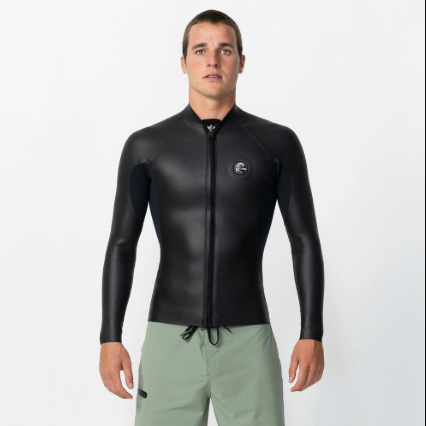
A wetsuit jacket is a lightweight, flexible layer that typically covers the upper body — the torso and arms — without extending to the legs. These jackets are made from neoprene or advanced technical fabrics and are commonly used in warmer water where full coverage isn’t necessary. They’re ideal for surface sports like paddleboarding, jet skiing and warm-weather surfing, offering core warmth, UV protection, and abrasion resistance without restricting movement.
What Is a Full Wetsuit?
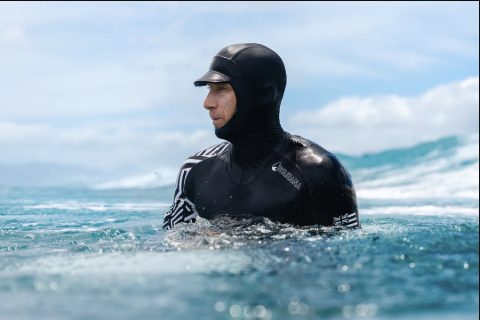
A full wetsuit covers the entire body from neck to ankles and wrists. It provides more insulation and protection, making it suitable for cold water conditions or extended time underwater. Full wetsuits come in varying thicknesses, designed to retain body heat during diving, surfing, or open-water swimming in cooler climates. For those who need upper-body protection only, a wetsuit jacket may be a better choice, offering more flexibility and breathability without full-body insulation.
Key Differences Between Wetsuit Jackets and Full Wetsuits
Coverage
The most noticeable difference lies in coverage. Wetsuit jackets only protect the upper body, while full wetsuits extend coverage to the legs and arms. This makes jackets lighter and more flexible but less insulating overall.
Thermal Protection
Full wetsuits are better for maintaining core temperature in colder water. Their full-body design reduces heat loss and protects against cold shock. Jackets provide moderate warmth and are often used in tropical or summer conditions where overheating is a risk.
See also: What Does an Outsourced CFO Actually Do for a Business?
Ease of Use
Wetsuit jackets are much easier to put on and take off, especially when wet. They’re also easier to pack, making them popular for travel. Full wetsuits can be bulkier and require more effort to change into, particularly if they have thicker neoprene.
Activity Suitability
Wetsuit jackets are great for surface sports and short water activities in warmer climates. Full wetsuits are designed for prolonged water exposure, such as scuba diving or surfing in colder environments. Your choice depends on both the water temperature and your sport.
Pros and Cons of Each
| Feature | Wetsuit Jacket | Full Wetsuit |
| Coverage | Torso and arms only | Full body (arms and legs) |
| Warmth | Moderate | High |
| Flexibility | Excellent | Good (varies with thickness) |
| Ease of Wear | Very easy | Can be challenging, especially when wet |
| Best For | Warm climates, paddleboarding, surfing | Cold-water diving, surfing, open water swim |
How to Choose Based on Conditions
If you’re swimming or paddling in warm water and want freedom of movement, a wetsuit jacket is a convenient choice. For diving, cold surf conditions or extended time in the ocean, a full wetsuit is the better option. Consider water temperature, how long you’ll be in the water, and how much mobility you need.
Wrapping Up
The choice between a wetsuit jacket and a full wetsuit comes down to how much warmth and protection you need versus how much flexibility and convenience you prefer. A wetsuit jacket offers lightweight, easy-to-wear coverage ideal for warm water and active sports, while a full wetsuit delivers comprehensive thermal protection in colder environments. Knowing the difference helps you pick the right gear for your next aquatic adventure.