Does Soy Wax Burn Longer Than Other Waxes?
When choosing a candle, burn time is one of the most important factors people consider. Many candle makers and buyers claim that soy wax burns longer than other waxes, but how true is this? Understanding how soy wax compares to alternatives like paraffin, beeswax, and blended waxes can help you decide whether it’s the right choice for your candles.
Understanding Wax Burn Time
A candle’s burn time depends on several factors, not just the type of wax. Wick size, container shape, fragrance load, and how the candle is burned all play a role. That said, wax type is a major contributor because it affects melting point, fuel consumption, and how evenly the candle burns.
How Soy Wax Performs
Soy wax is known for its lower melting point, which allows it to melt and burn more slowly than many other waxes. Because it liquefies at a lower temperature, less wax is consumed during each burn. This often results in a longer-lasting candle when compared to candles of the same size made from higher-melting-point waxes. Soy wax also tends to burn cooler and cleaner, producing minimal soot.
Comparing Soy Wax to Other Candle Waxes
Soy Wax vs Paraffin Wax
Paraffin wax has a higher melting point than soy wax, which means it burns hotter and faster. While paraffin is known for strong scent throw, it generally has a shorter burn time when compared to soy wax candles of the same size. This difference in burn rate is one of the main reasons many candle makers prefer soy wax for longer-lasting candles.
Soy Wax vs Beeswax
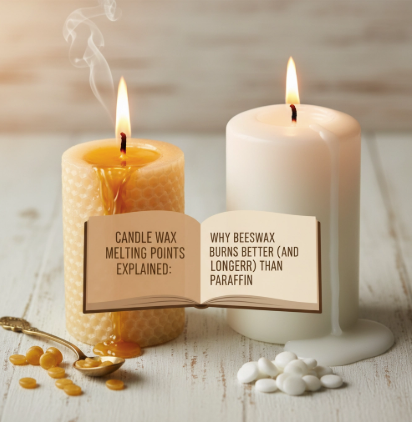
Beeswax is a natural wax that also burns slowly and cleanly. In many cases, beeswax can burn as long as or even longer than soy wax. However, beeswax is usually more expensive and has a natural honey scent that may limit fragrance options. Soy wax offers a balance between burn time, versatility, and affordability.
See also: How Often Should I See a Dentist?
Soy Wax vs Coconut and Palm Wax
Coconut and palm waxes are often used in blends to improve burn performance and scent throw. These blends can burn slowly, similar to soy wax, but performance depends on the formulation. Many candle makers still choose soy wax for its consistent burn, accessibility, and ease of use. If you want to explore options, soy wax remains one of the most popular bases for long-burning candles.
Tips to Maximise Burn Time for Soy Candles
To get the most out of a soy candle, always trim the wick to about 5 mm before lighting. Allow the candle to form a full melt pool on the first burn to prevent tunnelling. Burning the candle for one to three hours at a time helps maintain an even surface and extends overall burn time. Proper storage away from heat and direct sunlight also helps preserve the wax.
Why Burn Time Matters
Longer burn time means better value and fewer replacements. For home use, gifts, or small candle businesses, a longer-lasting candle improves the overall experience and customer satisfaction. Soy wax candles are often chosen for this reason, especially by those who value sustainability and efficiency.
Summing Up
Yes, soy wax generally burns longer than many other waxes, particularly paraffin, due to its lower melting point and slower burn rate. While beeswax and some blends may offer similar performance, soy wax stands out as a reliable, cost-effective option for long-lasting candles. With the right wick and burning habits, soy wax candles can deliver excellent burn time and consistent performance.