Understanding Crack Control Using Saw Cut Joints in Concrete Slabs
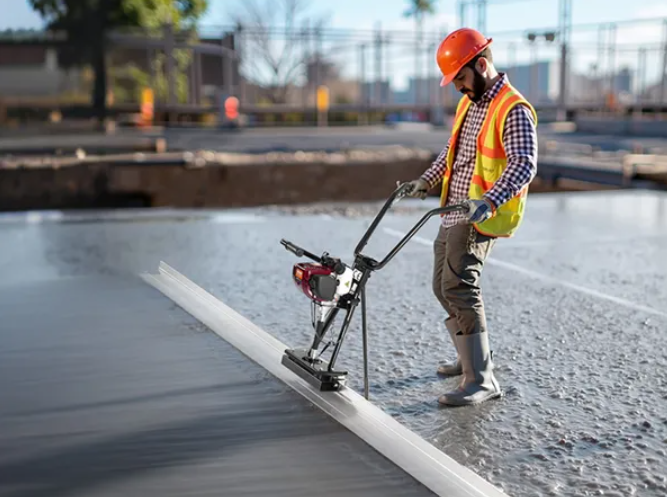
Cracking is a natural part of concrete behavior, but uncontrolled cracking can reduce both the appearance and performance of a concrete surface. Builders and contractors use proven methods to manage this issue, and one of the most effective techniques is the use of saw cut joints. Understanding crack control using saw cut joints in concrete slabs helps property owners appreciate why proper joint planning is essential for long-term durability.
Why Concrete Cracks
Concrete is strong under compression but weaker under tension. As it cures and dries, it naturally shrinks. Temperature changes, moisture loss, and ground movement also place stress on the slab. When these stresses exceed the concrete’s capacity, cracks form.
Cracking itself cannot be completely prevented, but it can be controlled. This is where saw cut joints in concrete slabs play a critical role. They guide cracks to occur in predetermined locations rather than randomly across the surface.
What Are Saw Cut Joints?
Saw cut joints are deliberate cuts made into the surface of freshly placed concrete. These cuts create weakened planes that encourage cracking to occur beneath the joint line. When done correctly, cracks form neatly within the joints, preserving the structural integrity and appearance of the slab.
Saw cut joints in concrete slabs are commonly used in driveways, footpaths, patios, warehouse floors, and commercial pavements. They are an essential component of professional concrete construction.
How Saw Cut Joints Control Cracking
As concrete shrinks, tension builds up across the slab. Saw cut joints relieve this tension by providing a controlled path for cracking. Instead of spreading unpredictably, cracks follow the joint lines, which are less visible and easier to manage.
Proper placement of saw cut joints in concrete slabs divides the surface into smaller panels. This reduces internal stress and helps the slab respond more effectively to environmental changes.
Importance of Timing When Saw Cutting
One of the most critical factors in crack control is timing. Saw cutting must be done after the concrete has gained enough strength to prevent raveling, but before shrinkage stresses become too great.
If saw cutting is done too early, the edges may chip or crumble. If it is done too late, uncontrolled cracks may already have formed. Experienced contractors like Panorama Concrete understand the importance of timing and monitor curing conditions closely to ensure optimal results.
Correct Depth and Spacing of Joints
Depth and spacing are key technical considerations when installing saw cut joints. Industry best practice generally recommends cutting joints to a depth of at least one quarter of the slab thickness. This ensures the joint is deep enough to effectively control cracking.
Spacing depends on factors such as slab thickness, reinforcement, and intended use. Properly planned saw cut joints in concrete slabs ensure cracks form where intended, rather than creating structural or visual issues.
See also: Benefits of Cloud Storage for Small Businesses
Benefits of Properly Installed Saw Cut Joints
Well-planned saw cut joints offer several important benefits:
- Improved crack control and surface appearance
- Reduced risk of random cracking
- Enhanced durability and performance
- Easier maintenance and repairs
By directing cracks into clean, straight lines, saw cut joints help maintain the integrity of the slab over its lifespan.
Common Mistakes in Saw Cut Joint Installation
Improper joint installation can compromise crack control. Common mistakes include incorrect spacing, insufficient depth, and poor alignment. Inconsistent cutting can lead to cracks forming outside the joints, reducing the effectiveness of the system.
Another mistake is overlooking site-specific conditions such as soil type, load requirements, and weather. Professional planning is essential to avoid these issues.
Why Professional Expertise Matters
Installing saw cut joints in concrete slabs requires experience, precision, and a clear understanding of concrete behavior. Professional contractors plan joint layouts before pouring and adjust their approach based on environmental conditions.
Panorama Concrete brings industry knowledge and technical skill to every project. Their team ensures saw cut joints are placed accurately and at the right time, providing reliable crack control for both residential and commercial slabs.
Applications of Saw Cut Joints in Concrete Slabs
Saw cut joints are used across a wide range of applications. Residential driveways and paths benefit from improved aesthetics, while industrial and commercial slabs rely on joints to handle heavy loads and frequent use.
In decorative concrete, such as stamped or exposed aggregate finishes, saw cut joints can also be incorporated into the design, enhancing both form and function.
Long-Term Maintenance Considerations
While saw cut joints control cracking, they still require basic maintenance. Keeping joints clean and free of debris prevents moisture penetration and potential deterioration. In some applications, joint sealants may be used to improve protection.
Routine inspections help identify any issues early and ensure the slab continues to perform as intended.
Final Thoughts
Understanding crack control using saw cut joints in concrete slabs highlights the importance of thoughtful design and professional installation. While concrete cracking is inevitable, proper joint placement ensures cracks occur in controlled and predictable locations.
By working with experienced contractors like Panorama Concrete, property owners can be confident their concrete slabs are built to last. Saw cut joints remain one of the most effective tools for achieving durable, visually appealing, and structurally sound concrete surfaces. Contact now.